How to Build a Healthy Snack for Your Child
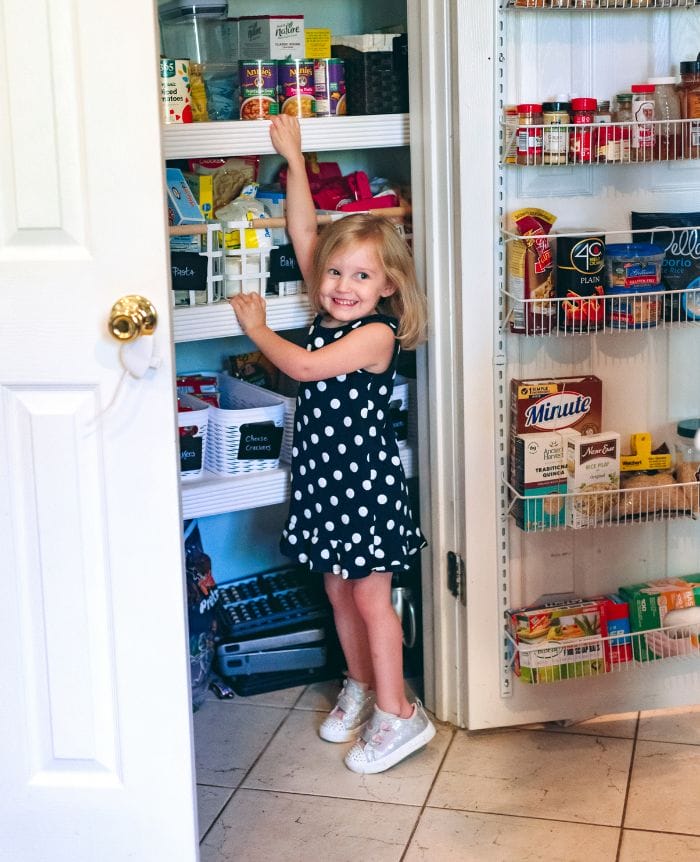
“I’m hungry!” If you’re a parent, you probably hear this a dozen times a day. You see the pantry doors swing open and wonder: are they just bored, or do…
“I’m hungry!” If you’re a parent, you probably hear this a dozen times a day. You see the pantry doors swing open and wonder: are they just bored, or do they actually need another snack?
The short answer is: Yes! Your child absolutely needs to eat snacks.
Before we dive into building the perfect plate, it’s crucial to understand why snacks are a non-negotiable part of a child’s diet. Far from spoiling their dinner, well-timed, balanced snacks are essential for maintaining energy, delivering vital nutrients, and supporting their rapidly growing bodies.
Let’s break down how to make snack time a simple, stress-free, and healthy part of your day.
Short answer: Yes! Your child needs to eat snacks.
Children, especially younger ones, have smaller stomachs than adults but incredibly high energy and nutrient needs. Snacks bridge the nutritional gap between meals, ensuring they get everything they need without feeling sluggish or “hangry.”
As a general guideline, snacks should constitute about one-third of your child’s daily caloric intake. Here’s a typical frequency:
“Healthy” can feel like a complicated word, but we make it simple. A balanced and healthy snack is one that is rich in vitamins, minerals, protein, and fiber.
The American Academy of Pediatrics encourages a diet with a variety of foods from all the major food groups. We use a helpful framework that includes:
At From the Start Nutrition, we teach a simple, powerhouse formula for snacking:
A balanced snack = A Carbohydrate Source + A Protein Source
This winning combination (e.g., foods from at least two to three different groups) is the key to stabilizing blood sugar, providing sustained energy, and keeping your child full and satisfied until the next meal. That means fewer interruptions and less mindless grazing!
Example: Pretzels (Grain/Starch) + Hummus (Protein) + Carrot Sticks (Vegetable).
Our philosophy at From the Start Nutrition is flexible and designed for the real world. This means including both nutrient-dense foods and what we call ‘Fun Foods’—those tasty items that might be higher in sugar or fat but lower in overall nutrition.
Why not just ban them? Decades of research show that completely restricting certain foods can backfire, leading to feelings of deprivation, sneaking food, or even binge-eating behaviors. By including “fun foods” in moderation, you teach your child how to enjoy all foods without guilt, fostering a positive and healthy long-term relationship with eating.
Ready to stop guessing what to serve? By preparing snacks at home, you control the ingredients and can tailor them perfectly to your child’s tastes. Better yet, get your kids involved! It’s a fantastic way to teach them about food and build self-feeding skills.
I recommend the Mix-and-Match approach. Simply choose a food from the first column and pair it with something from the second. Th
| Pick 1: Fiber-Rich Carbohydrate | Pair with 1: Protein & Healthy Fat |
| Fruits (apple, banana, berries) | Nuts or Seed Butter |
| Vegetables (carrots, peppers, cucumbers) | Greek Yogurt or Oatmilk Skyr |
| Whole Grain Crackers or Pretzels | Hummus or Bean Dip |
| Whole Grain Toast or Rice Cakes | Hard-Boiled Egg |
| Oatmeal or Low-Sugar Cereal | Cheese Stick or Cottage Cheese |
| Homemade Muffins | Uncured Turkey Lunchmeat |
| *INSERT YOUR OWN* | *INSERT YOUR OWN* |
Here are TEN balanced snack ideas you can easily incorporate into your daily routine:
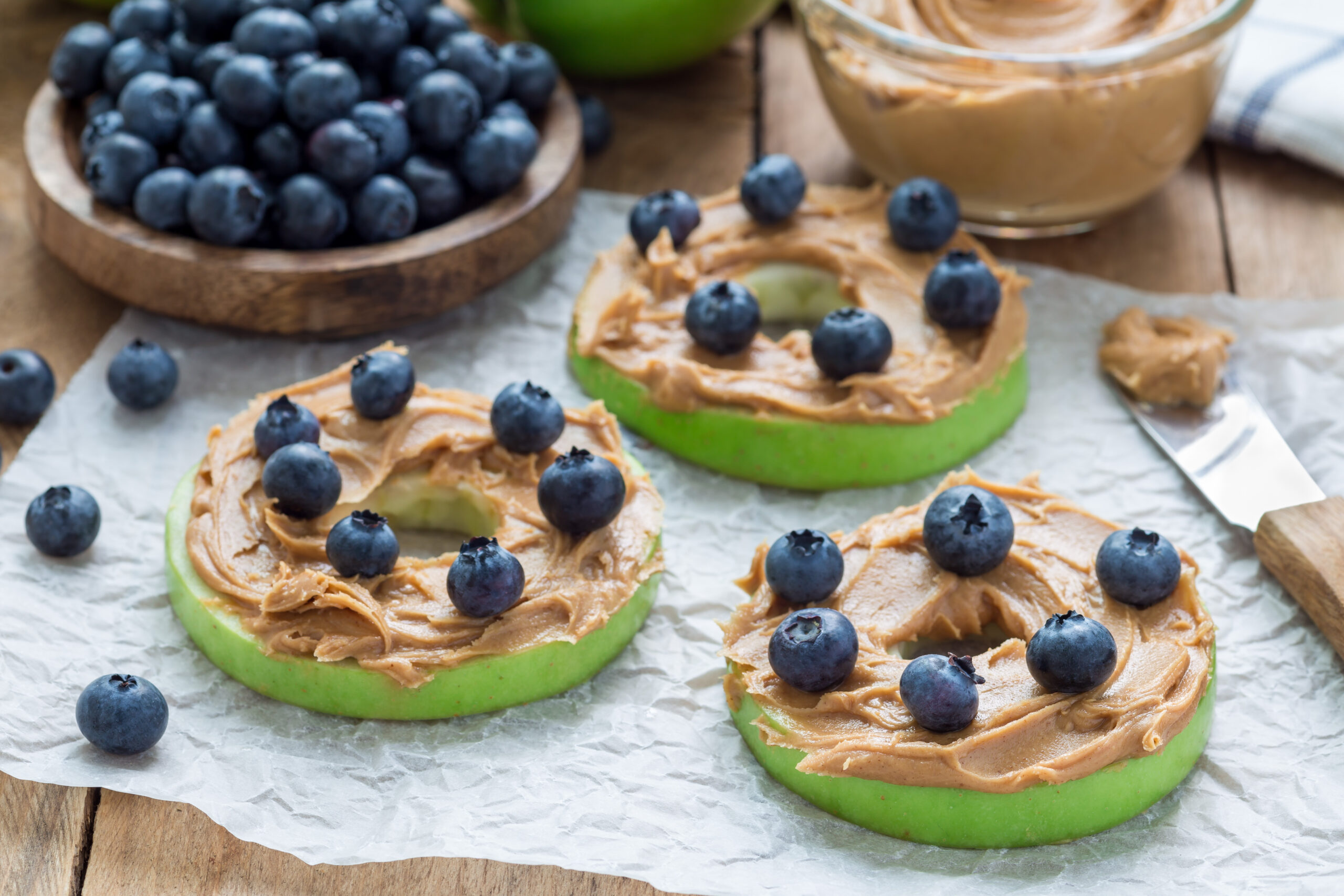
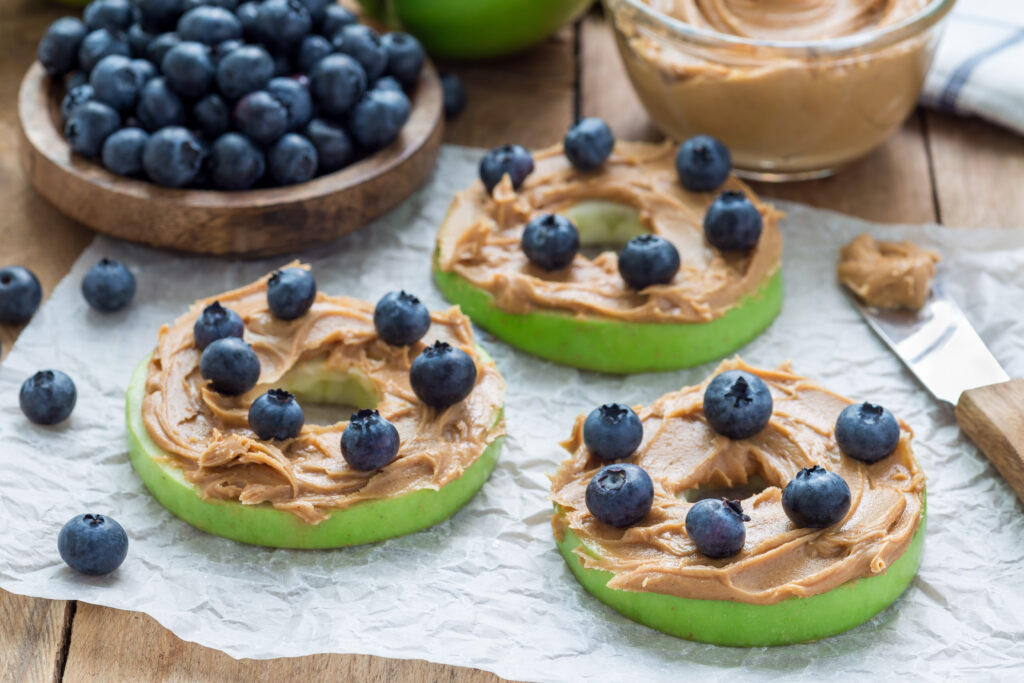
1. Apple slices with Sunflower Butter and “Sprinkles:” This easy combination offers a perfect balance of fiber, healthy fats, and protein. The natural sweetness of apples combined with creamy almond butter will surely satisfy your sweet tooth while keeping you full until your next meal.
2. Greek yogurt topped with berries and granola: Greek yogurt is a great source of protein, fat, calcium, and probiotics. Top it with your favorite berries for some added vitamins and antioxidants, and sprinkle some granola on top for a satisfying crunch.
Tip: Make it dairy-free with Oatmilk Skyr by Icelandic Provisions
3. Pretzels + Hummus + Veggie Sticks: Hummus is made from chickpeas, which are packed with fiber and plant-based protein. Dip some fresh veggies like carrots, celery, or bell peppers into the hummus for a tasty and nutritious snack.
4. Avocado toast: Toasted whole grain bread topped with mashed avocado makes for a delicious snack that’s rich in fiber, healthy fats, and essential vitamins and minerals. Add some cherry tomatoes or sliced hard-boiled eggs on top for extra flavor and nutrients.
5. Easy No-Bake Oatmeal Energy Bites: These bite-sized snacks are easy to make and can be customized with your favorite ingredients. A base of oats, nut butter, and honey provides a good balance of carbs, protein, and healthy fats. Add in some dried fruit, nuts, or seeds for extra flavor and nutrients.
6. Turkey and cheese roll-ups: Roll up slices of deli turkey with your choice of cheese for a satisfying and protein-packed snack. You can also add some lettuce or cucumber for extra crunch and nutrients.
7. Trail mix: Create your own trail mix by mixing together nuts and/or seeds, dried fruit, and dark chocolate chips (or Choco Nonos!) for a tasty and nutritious snack. You can also add in some of your favorite cereal for added crunch.
8. Cottage cheese with fruit: Pairing cottage cheese with your choice of fresh fruit, such as berries or peaches, makes for a delicious and filling snack. Cottage cheese is high in protein and low in calories, making it a great option for weight loss.
9. Cheese and whole grain crackers: A classic and delicious snack, choose whole wheat or whole grain crackers for added fiber, and pair them with a low-fat cheese like mozzarella sticks. You can also add some sliced veggies or fruit, such as cucumber or pear slices, for an extra boost of nutrients.
10. Homemade banana muffins: We LOVE banana muffins like these King Arthur Gluten-Free Banana Bread and Muffin Mix. My kids gobble them up – seriously, they last about one day! They are easy to make and taste great. Make it dairy-free by using your favorite milk substitute and oil.
Snack time doesn’t have to be a source of stress or confusion. By focusing on the Carb + Protein formula and embracing an “All-Foods-Fit” mindset, you can provide your child with the fuel they need to thrive, all while building a positive attitude toward food. Empowering them with healthy, delicious options is one of the best skills you can teach.
Now it’s your turn! What are your family’s favorite healthy and easy snack combinations? Share your ideas in the comments below to help other parents!

I'm so glad you're here!
As a Pediatric and Family Nutrition Expert and mom of 4, I truly understand the ups and downs of feeding children. This is a space where you can get tips and tricks that will help you with any feeding challenges, from picky eaters to eating disorders, and more. Additionally, I'm excited to share recipes that are perfect for families.
I can't wait to share this journey with you. If you need extra assistance, please contact me today and we can explore ways to work together.









Simple, balanced meals with breakfast, lunch, dinner & snacks the whole family will enjoy.
