Why Won’t My Child Stay Seated at Dinner (And What to Do About It?)
Beth Conlon
October 4th, 2025
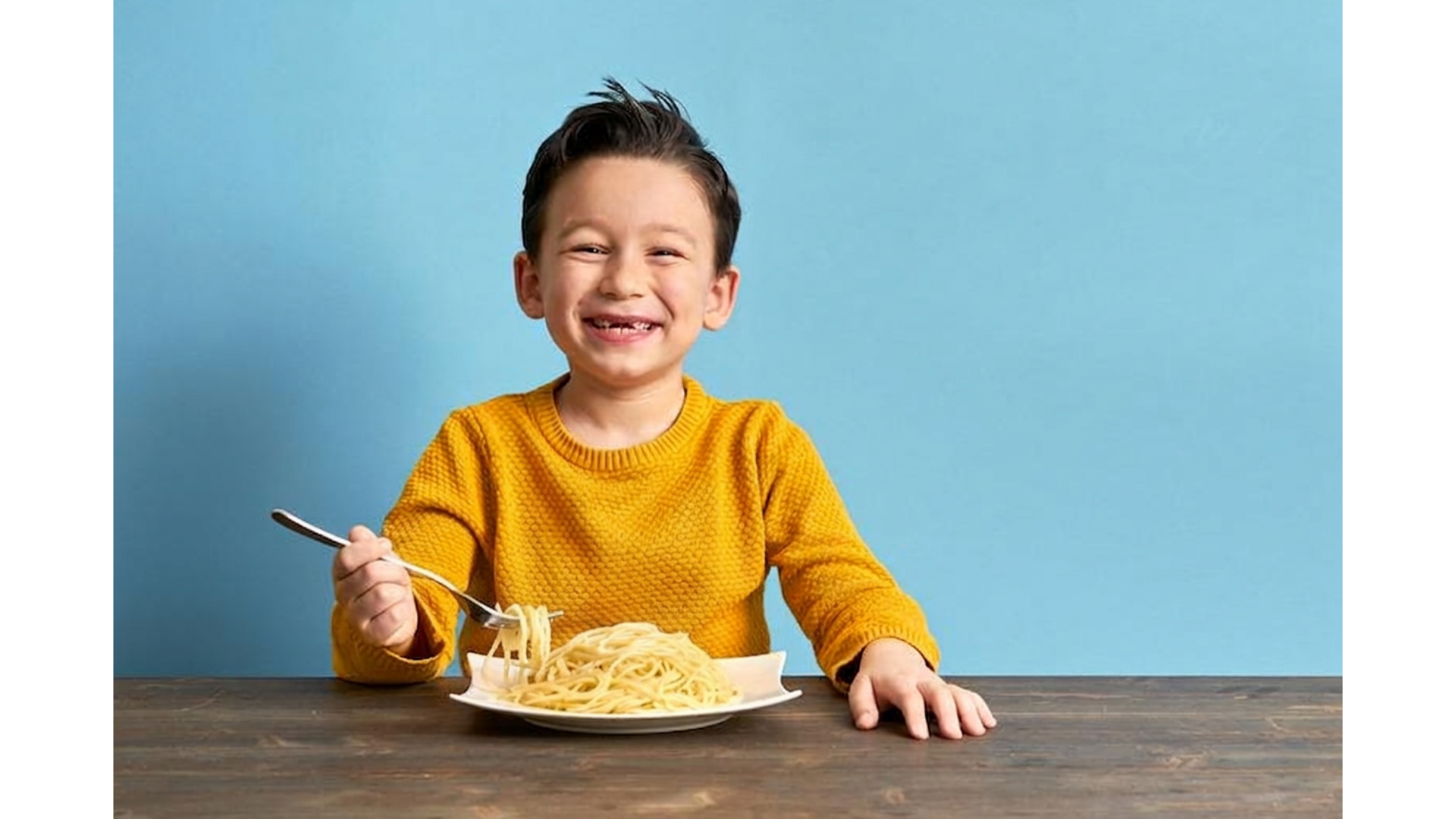
As a pediatric dietitian and feeding therapist, one of the most common concerns I hear from parents is: “My child won’t stay seated at dinner!” If this sounds familiar, you’re not alone. Research shows that up to 50% of children under age 5 experience difficulties during mealtimes, with sitting behavior being one of the most prevalent challenges.¹ The good news is that this behavior is completely normal and manageable with the right understanding and strategies.
Table of Contents
Understanding Why Children Won’t Stay Seated
Developmental Expectations: What’s Realistic?
Before addressing sitting challenges, it’s crucial to understand what’s developmentally appropriate. The general rule of thumb is that children can typically sit at the table for 2-5 minutes per year of life until around age 6-7.² This means:
3-year-olds: 6-15 minutes
4-year-olds: 8-20 minutes
5-year-olds: 10-25 minutes
6+ years: Up to 30 minutes
These are guidelines, not rigid rules. Some children may sit longer if they’re engaged and enjoying their meal, while others may need shorter durations initially.³
The Science Behind Sitting Challenges
Children’s inability to stay seated isn’t defiance—it’s often rooted in several physiological and developmental factors:
1. Core Muscle Development Young children are still developing the core strength and postural control needed to maintain an upright position for extended periods. Without adequate muscle development, sitting becomes physically exhausting and uncomfortable.⁴
2. Sensory Processing Needs Mealtime is an intensely sensory experience involving all eight sensory systems. Children with sensory processing differences may struggle with:
Vestibular input (balance and movement)
Proprioceptive feedback (body awareness)
Tactile sensitivities (textures, temperatures)
Environmental factors (lighting, sounds, smells)⁵
3. Attention and Focus Development A child’s ability to sustain attention is still maturing. The average attention span for focused activities is approximately 2-3 minutes per year of age, which directly impacts their capacity to remain seated and engaged during meals.⁶
The Importance of Proper Seating Position
The 90-90-90 Rule
Proper positioning is fundamental to successful mealtime sitting. The ideal position follows the 90-90-90 rule:⁷
Hips: Bent at 90 degrees
Knees: Bent at 90 degrees
Ankles: Bent at 90 degrees with feet flat on a surface
This positioning provides several critical benefits:
Promotes core stability and postural control
Supports safe swallowing and prevents aspiration
Enables better hand-eye coordination for self-feeding
Reduces fatigue and discomfort
Provides proprioceptive feedback for body awareness⁸
Common Seating Mistakes
Many families unknowingly create seating situations that make it difficult for children to stay seated:
Feet Dangling: When a child’s feet don’t touch the ground or a footrest, they lack the stability needed for comfortable sitting. This forces them to use extra energy to maintain their position.
Chair Too Large: An oversized chair provides inadequate back support, causing children to slide forward or fidget to find a comfortable position.
Table Height Issues: If the table is too high or low relative to the child’s elbows, it creates strain and discomfort during eating.⁹
Sensory Factors That Impact Sitting
Understanding Sensory Over- and Under-Responsiveness
Sensory Over-Responders (Hypersensitive) Children who are over-responsive to sensory input may:
Become overwhelmed by the multisensory nature of mealtime
Feel uncomfortable with food textures, smells, or temperatures
Be sensitive to environmental factors like lighting or background noise
Avoid sitting due to tactile sensitivities (chair materials, clothing)¹⁰
Sensory Under-Responders (Hyposensitive) Children who are under-responsive may:
Seek additional movement and sensory input
Have difficulty maintaining alertness in a seated position
Require more intense sensory experiences to feel regulated
Benefit from movement opportunities before meals¹¹
Environmental Considerations
The mealtime environment significantly impacts a child’s ability to sit comfortably:
Visual Factors: Bright lights, visual clutter, or distracting views can overwhelm or distract children.
Auditory Environment: Background noise, television, or even the sounds of eating can be overstimulating for sensitive children.
Temperature and Air Flow: Drafts, direct sunlight, or temperature extremes can create discomfort that manifests as restlessness.¹²
The Role of Mealtime Structure and Parenting Approach
Benefits of Structured Mealtimes
Research consistently demonstrates that structured mealtimes are associated with:
Reduced food fussiness and picky eating behaviors
Improved family meal enjoyment
Better nutritional outcomes
Enhanced social and communication skills
Decreased mealtime anxiety and stress¹³
Authoritative Parenting and Mealtime Success
Studies show that an authoritative parenting approach—characterized by warmth, responsiveness, and clear boundaries—is most effective for mealtime management. This approach involves:
Setting clear, consistent expectations about mealtime behavior
Providing choices within established boundaries
Validating children’s feelings while maintaining structure
Modeling positive eating behaviors
Using positive reinforcement rather than punishment¹⁴
Practical Strategies for Improving Sitting Behavior
Before the Meal: Preparation Strategies
1. Provide Movement Opportunities Children who have been sedentary (at school, in the car, watching screens) often need to “get their wiggles out” before sitting for a meal. Try:
5-10 minutes of active play
Jumping jacks, animal walks, or dancing
Heavy work activities (carrying groceries, pushing a chair)
Playground time or outdoor play¹⁵
2. Establish Pre-Meal Routines Consistent routines help children transition mentally and physically to mealtime:
Clear transition warning (“Dinner in 5 minutes!”)¹⁶
Optimizing the Physical Environment
1. Perfect the Seating Setup
Ensure proper 90-90-90 positioning
Use booster seats or cushions as needed
Provide footrests for dangling feet
Choose chairs with appropriate back support
Consider adaptive seating for children with special needs¹⁷
2. Modify the Environment
Minimize visual and auditory distractions
Ensure comfortable lighting and temperature
Create a calm, welcoming atmosphere
Remove electronic devices and screens
Use placemats or visual boundaries to define personal space¹⁸
During the Meal: Management Strategies
1. Set Realistic Expectations Start with shorter durations and gradually increase sitting time as your child’s tolerance improves. Success breeds success—better to have a positive 10-minute meal than a stressful 30-minute battle.
2. Provide Choices and Control Allow children age-appropriate choices to foster cooperation:
“Would you like to sit on the blue chair or red chair?”
“Should we eat at the kitchen table or dining room today?”
“Would you like your napkin on your lap or beside your plate?”¹⁹
Would you like to have a fidget toy with you or an activity placemat?
3. Use Positive Reinforcement
Acknowledge good sitting behavior: “I notice you’re sitting so nicely in your chair!”
Avoid negative attention for poor sitting (which can reinforce the behavior)
Focus on effort rather than perfection
Create simple reward systems for consistent improvement²⁰
4. Make Mealtimes About Connection
Have fun conversations that are not about food, such as, “who did you sit next to a lunch?” or “what’s your favorite movie and why?”
Foster a mealtime that is about more than food-that promotes family bonding. Over time, this can increase motivation to come to and stay at the table.
Addressing Specific Challenges
For the Child Who Gets Up Frequently
Implement a clear boundary: “Food stays at the table”
Calmly redirect without argument: “It’s time to sit and eat with the family”
Consider if they need a movement break or sensory input
Evaluate if they’re truly hungry or if meal timing needs adjustment²¹
For the Sensory-Sensitive Child
Provide sensory tools: fidget toys, textured seat cushions, or lap weights
Allow sunglasses or noise-reducing headphones if needed
Offer familiar “safe foods” alongside new options
Create a sensory-friendly environment with controlled stimuli²²
For the Child with Low Muscle Tone
Ensure optimal seating support
Consider occupational therapy evaluation
Provide core-strengthening activities throughout the day
Use adaptive equipment as recommended by therapists²³
When to Seek Professional Help
While most sitting challenges resolve with consistent strategies and developmental maturation, some situations warrant professional intervention:
Consider consulting a pediatric feeding therapist if:
Your child has significant sensory processing challenges
Mealtime battles are affecting family relationships
Your child has underlying developmental or medical conditions
Nutritional intake is compromised due to mealtime difficulties²⁴
A comprehensive feeding evaluation may include:
Assessment of oral-motor skills
Sensory processing evaluation
Nutritional analysis
Family mealtime observation
Individualized intervention planning
Creating Long-Term Success
Building Positive Mealtime Associations
The goal isn’t just compliance—it’s creating positive associations with family meals that will last a lifetime. Focus on:
Making mealtimes enjoyable social experiences
Celebrating small improvements
Maintaining realistic expectations
Prioritizing connection over perfection
Modeling positive mealtime behaviors²⁵
Developmental Progression
Remember that sitting skills, like all developmental milestones, follow a predictable progression:
Toddlers (1-3 years): Focus on safety, basic sitting skills, and short durations Preschoolers (3-5 years): Develop sustained attention, social skills, and mealtime routines School-age (5+ years): Refine table manners, conversation skills, and family meal participation²⁶
Conclusion
A child’s inability to stay seated at dinner is rarely about defiance or poor behavior—it’s typically a reflection of developmental, sensory, or environmental factors that can be addressed with understanding and appropriate strategies. By optimizing seating position, creating supportive environments, providing adequate movement opportunities, and maintaining realistic expectations, most families can transform mealtime from a battleground into an enjoyable family experience.
Remember, every child is unique, and what works for one may not work for another. Be patient with the process, celebrate small victories, and don’t hesitate to seek professional guidance when needed. With consistency, understanding, and the right approach, your child will develop the skills needed for successful family mealtimes.
The journey to better mealtime behavior takes time, but the investment pays dividends in family connection, nutritional health, and your child’s positive relationship with food that will last a lifetime.
References
Benjasuwantep B, Chaithirayanon S, Eiamudomkan M. Feeding problems in healthy young children: prevalence, related factors and feeding practices. Pediatr Rep. 2013;5(2):38-42.
Johnson CR, Turner KS, Stewart PA, et al. Relationships between feeding problems, behavioral characteristics and nutritional quality in children with ASD. J Autism Dev Disord. 2014;44(9):2175-2184.
Cermak SA, Curtin C, Bandini LG. Food selectivity and sensory sensitivity in children with autism spectrum disorders. J Am Diet Assoc. 2010;110(2):238-246.
Express Yourself Therapy. Supporting Sensory Integration During Mealtimes. 2025. Available at: https://www.expressyourselftherapy.com/post/supporting-sensory-integration-during-mealtimes
Powell EM, Frankel LA, Hernandez DC. The mediating role of child self-regulation of eating in the relationship between parental use of food as a reward and child emotional overeating. Appetite. 2017;113:78-83.
Rollins BY, Savage JS, Fisher JO, Birch LL. Alternatives to restrictive feeding practices to promote self-regulation in childhood: a developmental perspective. Pediatr Obes. 2016;11(5):326-332.
As a Pediatric and Family Nutrition Expert and mom of 4, I truly understand the ups and downs of feeding children. This is a space where you can get tips and tricks that will help you with any feeding challenges, from picky eaters to eating disorders, and more. Additionally, I'm excited to share recipes that are perfect for families.
I can't wait to share this journey with you. If you need extra assistance, please contact me today and we can explore ways to work together.
“I’m hungry!” If you’re a parent, you probably hear this a dozen times a day. You see the pantry doors swing open and wonder: are they just bored, or do…
Picky eating can be a challenging phase for many parents. As a Pediatric and Family Nutrition expert and a mother of four, I understand firsthand that children often develop strong…
Snag these 10 Back-to-School Lunch Box Must-Haves I love summertime. The lazy days by the pool, family barbecues that stretch into the evening, and the pure joy on my kids’…
Hey Parents! 🚨 Struggling to get your little ones to eat healthfully? My children love YouTube – and don’t always love vegetables – so I started looking for nutrition education…
Keep your child’s immune system healthy and strong with simple, everyday habits. If you have ever found yourself googling, “how to boost my child’s immune system,” in the middle of…
The holiday season is the perfect time to blend creativity, food, and festive fun—especially with little ones! These 3 Christmas food activities for kids are engaging and designed to encourage…
Introduction As a mom of four and a registered dietitian nutritionist, I know firsthand how often parents and caregivers wonder: Is my child eating enough? I remember when my oldest…
This guide offers practical tips to simplify family meal planning, manage picky eaters, reduce food waste, and create nutritious, allergy-friendly meals for stress-free, efficient dinners.
As a pediatric dietitian and feeding therapist, one of the most common concerns I hear from parents is: “My child won’t stay seated at dinner!” If this sounds familiar, you’re…
Jump to Recipe Some nights, dinner feels like a juggling act. One child is begging for chicken nuggets, another insists they only want pasta (with butter, not red sauce), and…