
How to Build a Healthy Snack for Your Child
“I’m hungry!” If you’re a parent, you probably hear this a dozen times a day. You see the pantry doors swing open and wonder: are they just bored, or do…



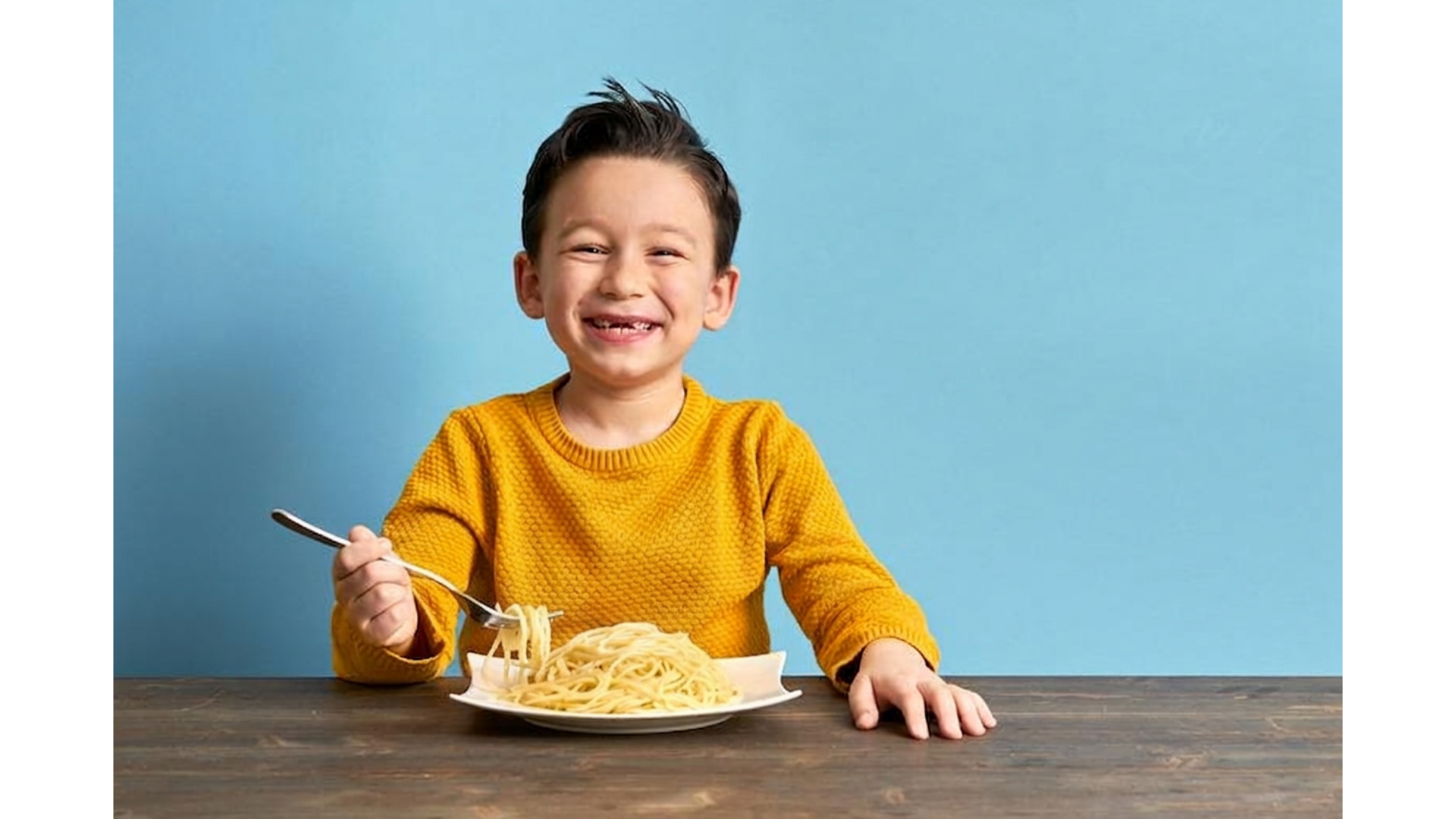
Getting a child who is a picky or selective eater to try new foods can feel like an all-out battle at the dinner table. The constant tug-of-war over broccoli, tangerines, and even a simple bit of meat can leave both parents and children frustrated. Yet, establishing healthy eating habits early on is essential for growth and well-being. Children need a balanced variety from all food groups—fruits, vegetables, proteins, grains, dairy or dairy alternatives, and healthy fats—to build strong bodies and minds. The good news is that with some practical strategies and a little patience, mealtime conflicts can be transformed into opportunities for fun and improving food variety and intake.
In this article, we’ll explore why picky eating happens, share five strategies to manage picky eating, and explain how to tailor these tips to your child’s unique personality and needs. Whether you’re tired of hiding carrots in mac and cheese or simply looking for a better way to widen your child’s food intake, our expert insights are here to help.
Picky eating is a normal stage in many children’s development. In fact, many toddlers assert their independence by rejecting foods they once loved. This behavior is often driven by a mix of developmental, sensory, and even genetic factors. While it can be challenging to see your child reject nutritious foods, it’s important to remember that mealtime struggles are usually temporary. With repeated exposure and positive reinforcement, even the most hesitant eater can learn to embrace new colors, textures, smells, and tastes over time.
While there is no one-size-fits all approach to managing picky eating, these tips are a great place to start. They will not produce results for everyone but nonetheless are part of the foundation of any plan to tackle picky eating.
Since most decisions in early childhood are made by adults, allowing your child some control over their meals can reduce resistance. Let your little one choose between options like carrot sticks or cucumber slices for a snack, or decide whether they’d prefer strawberries or blueberries for dessert. Pair their choice with a familiar favorite—such as serving pretzels alongside a vegetable or topping their fruit with a dollop of whipped cream. Empowering children with simple choices not only builds their confidence but also makes them feel more invested in their eating habits.
Involving children in meal preparation is a powerful way to spark interest in new foods. Invite your child to help read out recipes, measure ingredients, or wash fruits and vegetables. Younger children can assist with simple tasks like mixing and helping you add ingredients to a bowl, pot, or pan. Older children can assist with more complex tasks like cracking eggs and measuring. When children play a role in creating their meals, they become more curious about the food on their plates. This hands-on experience can turn mealtime into a fun, educational activity rather than a chore, increasing the likelihood that they’ll try—and eventually enjoy—foods they once rejected.
Children learn a great deal by watching the adults around them. If your child sees you eating a variety of healthy foods, they are more likely to mimic those behaviors. Fill your own plate with colorful fruits and vegetables, and make a habit of sharing your enjoyment of new foods. Instead of just saying “eat your broccoli,” demonstrate eating broccoli yourself. When children observe that nutritious foods are not only good for you but also delicious, they can become more inclined and curious to give them a try.
Sometimes, the secret to getting your child to try a new food lies in the presentation. A creative twist can make even the most intimidating vegetable appear fun and inviting. Experiment with different colors, shapes, and textures. Use cookie cutters to transform ordinary slices of fruits and vegetables into stars, hearts, or animals. Arrange food in playful patterns or create themed plates that tell a story. By making food visually appealing, you tap into your child’s natural curiosity and make mealtime a more engaging experience that they look forward to being a part of.
Research shows that it can take 12 to 20 exposures to a new food or more before a child begins to accept it. If Brussels sprouts aren’t a hit today, don’t be discouraged. Instead, try introducing them again later, perhaps prepared in a different way or served alongside a favorite dish. The key is to maintain a positive atmosphere and avoid pressuring your child. Forcing food can create negative associations and actually worsen picky behaviors. Instead, celebrate small victories and understand that each new bite is a step toward a more varied diet.
It’s important to remember that every child is unique. What works for one may not work for another, so consider trying a combination of these strategies over the coming weeks. Start by implementing one or two methods, and once you notice a positive change, gradually introduce more techniques. Keep a relaxed attitude, and remind yourself that patience is key. Mealtime should eventually become a time of discovery and joy, not stress and conflict.
Along the way, engage with your child’s feedback. Ask them what they like about certain foods or how they’d like to see them prepared. Use these insights to further personalize your approach. And remember—your efforts are making a difference, even if progress seems slow at times.
Helping your picky eater embrace new foods is a gradual process. It requires creativity, consistency, and above all, understanding. By offering choices, involving your child in the kitchen, modeling healthy eating, varying food presentation, and patiently reintroducing foods, you pave the way for a lifetime of better eating habits. So take a deep breath, stay positive, and know that with time, your child will learn to enjoy a broader range of nutritious foods. You’ve got this!

I'm so glad you're here!
As a Pediatric and Family Nutrition Expert and mom of 4, I truly understand the ups and downs of feeding children. This is a space where you can get tips and tricks that will help you with any feeding challenges, from picky eaters to eating disorders, and more. Additionally, I'm excited to share recipes that are perfect for families.
I can't wait to share this journey with you. If you need extra assistance, please contact me today and we can explore ways to work together.










Simple, balanced meals with breakfast, lunch, dinner & snacks the whole family will enjoy.
