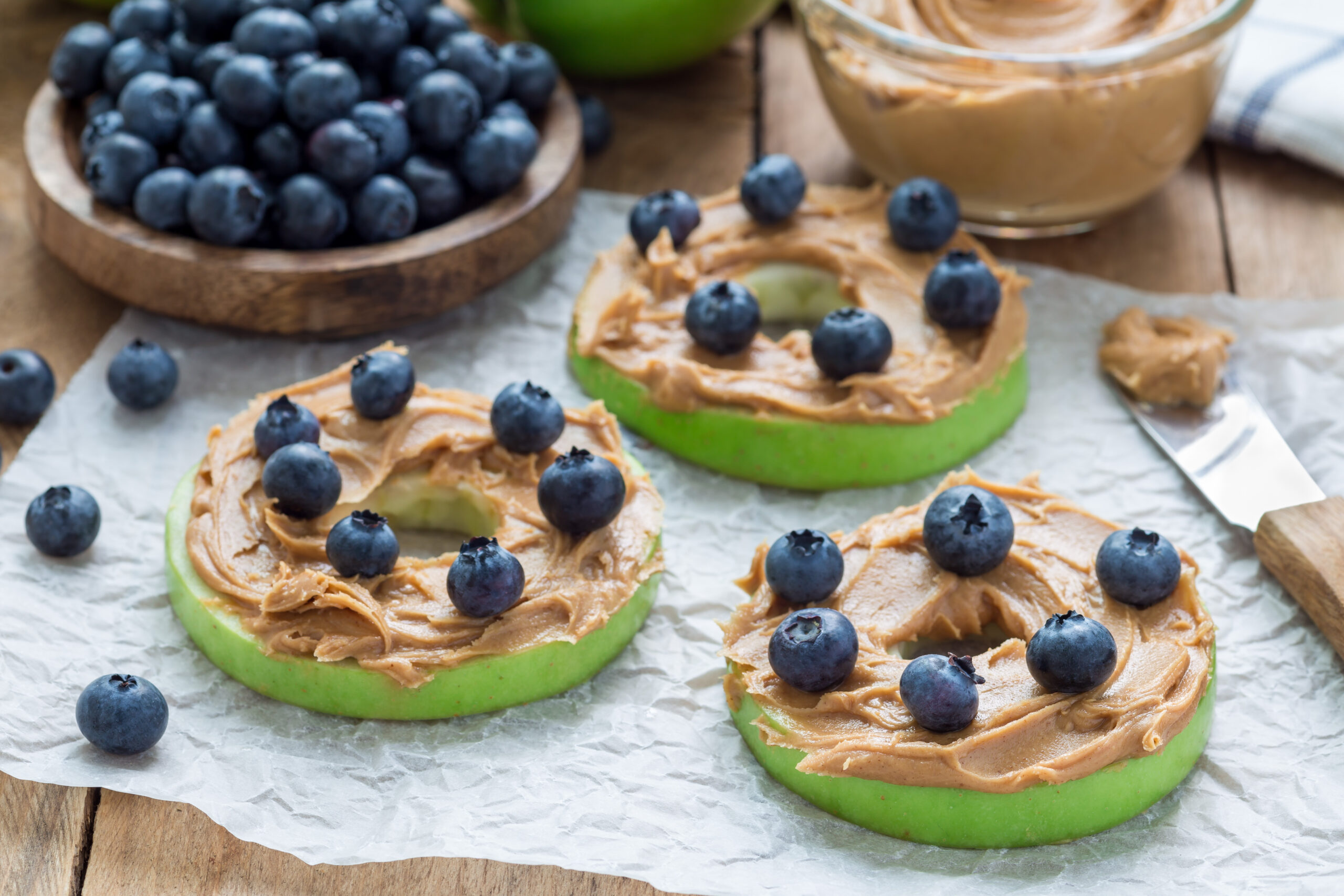
How to Build a Healthy Snack for Your Child
“I’m hungry!” If you’re a parent, you probably hear this a dozen times a day. You see the pantry doors swing open and wonder: are they just bored, or do…

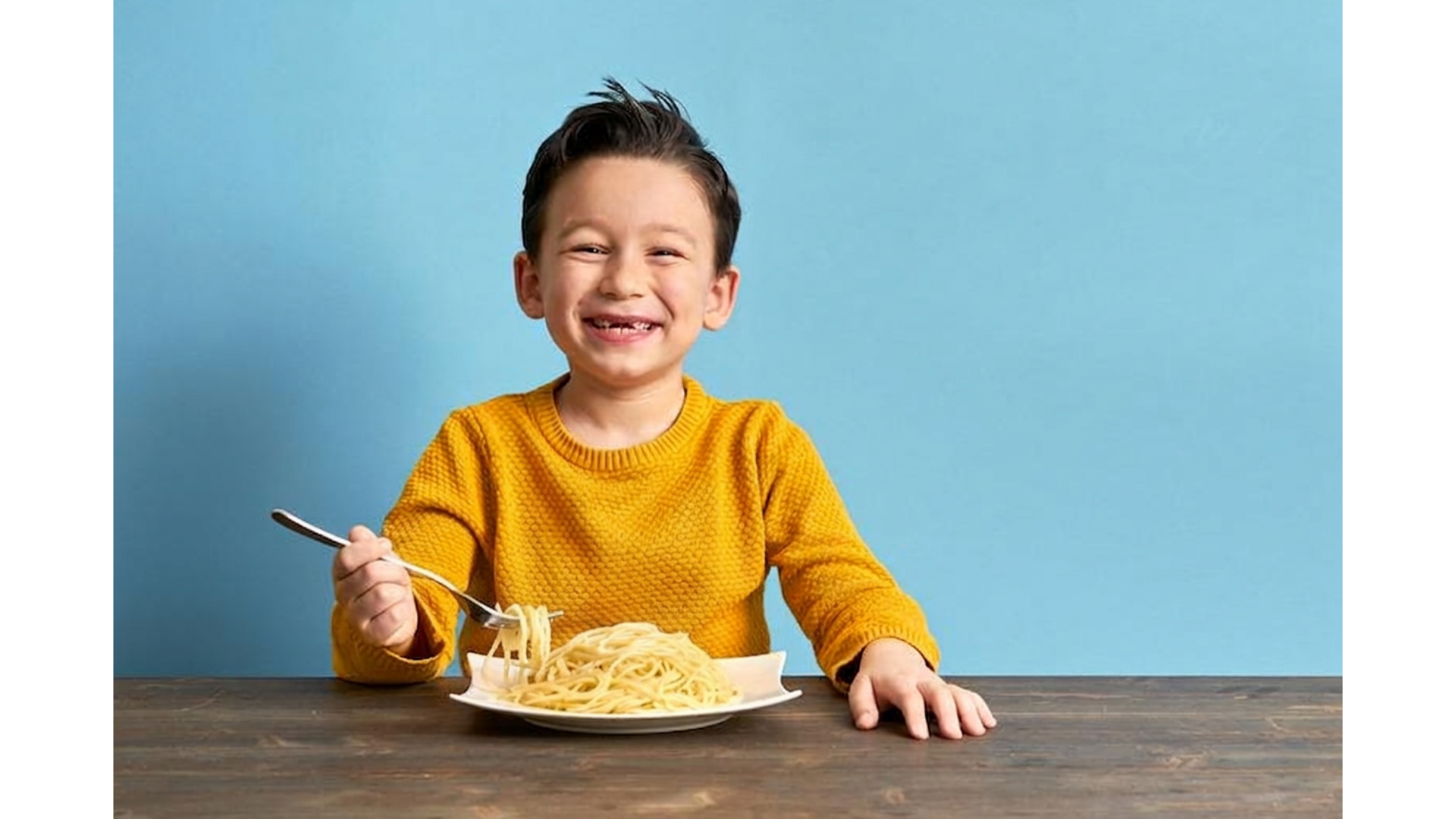
If your child’s “safe foods” list looks like pasta, bread, crackers, nuggets, fries, waffles, and maybe cheese, it makes sense to feel worried. White and tan foods can start to feel like the only foods your kid will reliably eat, and every meal starts to feel like a negotiation you did not sign up for.
Before you spiral or blame yourself, here is the most important message: this phase is common, it is usually temporary, and there are practical ways to expand variety without turning the table into a battleground.
In this guide, I’ll explain why it happens, what “white foods only” can mean nutritionally, when it’s worth getting extra support, and what to do next using low-pressure strategies that actually work.
If picky eating feels stuck or stressful in your home, From the Start Nutrition supports families with 1:1 pediatric and family nutrition counseling to create a plan that fits your child and your real life.
Picky eating is not a rare parenting problem. It is a normal part of early childhood development, especially between ages 2–6, when kids are learning independence and also feeling cautious about novelty.
A few evidence-based points to help you exhale:
Here’s what that means in real life: your child choosing beige foods is often a sign of typical development plus a strong preference for sameness, not a sign you “did something wrong.”
Moreover, it’s crucial to understand the nutritional implications of this “white foods only” phase. While these foods may be more palatable for your child at the moment, they often lack essential nutrients needed for growth and development. As highlighted in this study, an over-reliance on such foods can lead to nutritional deficiencies if not addressed properly.
In the rest of this article, we’ll cover:
When kids fixate on white or tan foods, it is usually driven by three very normal needs:
White and tan foods tend to have low visual variation, which matters more than most adults realize. A cracker looks the same every time. A casserole can have surprises. A grape might be crunchy or squishy. A chicken breast can be juicy or stringy.
Also, “food aversion in kids” exists on a spectrum. Many children have typical picky eating that improves with time and exposure. Some kids have more intense sensory-based avoidance that needs extra support, often linked to sensory processing issues. Either way, preference patterns often reflect development and exposure history, not parenting failure.
Kids do not approach food like adults. Many are constantly scanning for “safe” and “not safe,” especially during the picky years.
Predictable foods usually have:
A beige nugget is reliably beige. A slice of bread is reliably soft. A noodle is reliably a noodle.
Compare that to “variable” foods:
Parent takeaway: predictability is a legitimate comfort need for many kids. When we treat it as a need instead of a behavior to defeat, mealtimes often get easier.
Most “white foods” hit the sensory sweet spot for kids:
Colorful foods can feel “too loud”:
A child can have sensory sensitivity even without any formal diagnosis. You do not need a label for their sensory experience to be real.
Toddlers and preschoolers are wired for autonomy. Food is one of the few areas where they can truly say “no” and have it stick.
Picky eating often spikes around:
Routine helps kids feel safe. Pressure tends to increase refusal.
Parent takeaway: focus on building a calm structure, not “winning” bites.
First, a balanced take: some white or tan foods can absolutely fit into a healthy pattern.
Depending on your child’s list, they may be getting solid nutrition from foods like:
Where “beige diets” often struggle is not calories. It is usually variety, especially in the produce department.
Common gaps (depending on the exact foods your child eats) can include:
Many kids who prefer white foods do fine with carbs and may even do fine with protein. Produce and higher-fiber grains are often the hardest.
A helpful mindset is: progress over perfection. Even one produce exposure per day counts. Exposure includes seeing it, serving it, touching it, smelling it, licking it, or taking a tiny bite.
One simple framework we use at From the Start Nutrition is:
For many “white food kids,” carb and protein are the easier two categories. Produce is usually where we focus on gentle progress.
Examples that work with common safe foods:
One exposure per day is a win. Your child does not need to eat a salad to make progress.
Most picky eating is developmentally normal and improves with time, structure, and repeated exposure. But some kids need additional support (read more here in this blog post).
Here are signs that picky eating may be moving into a more intense “food aversion” pattern:
You may hear the term ARFID (Avoidant/Restrictive Food Intake Disorder). It is a real diagnosis, but it is not something to self-diagnose from the internet. If you’re concerned about growth, nutrition status, or significant stress around eating, it is a good time to talk with your pediatrician and consider a pediatric dietitian or feeding therapist.
Consider getting help if you notice:
Support does not mean you failed. It means you are responding to what your child needs.
A very common pattern looks like this:
Parent worry → pressure/bribes → child resists → parent increases pressure → child eats fewer foods
Well-meaning tactics that often backfire:
A better definition of success is:
Now let’s talk about what to do instead.
When a child is stuck in a white-food pattern, the first goal is not “eat vegetables.” The first goal is to reduce stress and rebuild trust at the table.
Start here:
Aim for a “safe + stretch” plate:
Make it small and concrete:
And redefine wins. Wins include:
Eating is often the last step, not the first.
Helpful neutral language:
A few practical changes can reduce stress quickly:
Food bridging is one of the most effective strategies for picky eaters because it respects what your child is already telling you: “I need predictable steps.”
Food bridging means making tiny, logical changes from a safe food to a similar new food.
Three “bridge levers” you can use:
Pick one bridge chain at a time and stick with it for 2–3 weeks. You do not need to do every step.
Also, repeat exposures are normal. Many kids need 10–20+ low-pressure exposures before acceptance.
| Safe food | Step 1 | Step 2 | Step 3 |
| White pasta + butter | Pasta + parmesan | Pasta + mild creamy pesto | Pasta + red sauce (tiny dip on side) |
| Plain rice | Rice + butter or soy drizzle | Fried rice with egg | Fried rice with peas/carrots (tiny amount) |
| Mac and cheese | Add a little cauliflower purée into sauce | Tiny broccoli “trees” on the side | Broccoli mixed in later (very small) |
| Vanilla yogurt | Yogurt + mashed banana | Yogurt + smashed berries | Smoothie with a small handful of spinach |
| Applesauce pouch | Applesauce in a bowl + cinnamon | Soft pear slices | Apple slices with nut/seed butter dip |
This is a realistic plan for busy families, built around repetition and micro-goals.
How to set it up:
Day 1: Put the learning food on the plate (tiny portion). Model eating it. No asking for a bite.
Day 2: Offer the same learning food again. Keep language neutral.
Day 3: Add a dip, toothpick, or “food play” tool (like a small fork). Let them explore.
Day 4: Repeat. Same food, same calm structure.
Day 5: Do one bridge step (change flavor or shape slightly). Keep portion tiny.
Day 6: Repeat the bridge step again. Consistency builds safety.
Day 7: Do a family meal with a safe + stretch plate. Reflect on wins and choose your next bridge chain.
If you do this for a few weeks, many families notice a shift: less panic around new foods, more curiosity, and small expansion in what feels “safe.”
Some kids move through picky phases with time and gentle exposure. Others need a more personalized plan, especially if growth, nutrient intake, sensory sensitivity, or family stress is a factor.
From the Start Nutrition is a pediatric and family nutrition private practice offering 1:1 personalized nutrition counseling for all ages. For picky eating, support can include:
If you want help building a plan that fits your child’s temperament and your family’s routine, consider booking a consult to learn about pediatric and family nutrition counseling options.
Your child can learn to eat more foods. The path is usually slow, steady, and much easier when you stop battling and start building safety.
Children often prefer ‘white foods only’ because these foods offer predictability, sensory comfort, and a sense of control. White or tan foods like pasta, bread, and crackers have consistent shape, color, texture, and mild taste, making them familiar and less overwhelming for kids who are developing independence and cautious about new experiences.
Yes, the ‘white foods only’ phase is a common part of picky eating in early childhood, especially between ages 2 to 6. Studies estimate that picky eating affects about 1 in 5 to 1 in 2 preschoolers. This phase is usually temporary and linked to normal developmental behaviors such as food neophobia (fear of new foods).
A diet heavily reliant on white or beige foods may lack essential nutrients necessary for proper growth and development. Such limited variety can lead to nutritional deficiencies if not addressed. It’s important for parents to gradually introduce more diverse and colorful foods while respecting their child’s comfort levels.
Repeated calm exposures to new foods can help children become more comfortable with different tastes and textures. Research shows that many children require multiple exposures before accepting new foods. Using low-pressure strategies that reduce mealtime stress can increase progress without turning meals into battlegrounds.
Parents should seek extra support if picky eating feels stuck or causes significant stress at home, or if their child shows intense sensory-based food avoidance possibly linked to sensory processing issues. Professional pediatric and family nutrition counseling can provide personalized plans tailored to the child’s needs and family life.
Parents can focus on understanding their child’s need for predictability and sensory comfort by offering consistent textures and flavors while gently introducing variety through repeated exposure. Avoiding pressure or negotiation at meals helps maintain a positive environment. Consulting resources like From the Start Nutrition can provide tailored strategies that fit real-life family dynamics.
References

I'm so glad you're here!
As a Pediatric and Family Nutrition Expert and mom of 4, I truly understand the ups and downs of feeding children. This is a space where you can get tips and tricks that will help you with any feeding challenges, from picky eaters to eating disorders, and more. Additionally, I'm excited to share recipes that are perfect for families.
I can't wait to share this journey with you. If you need extra assistance, please contact me today and we can explore ways to work together.










Simple, balanced meals with breakfast, lunch, dinner & snacks the whole family will enjoy.
