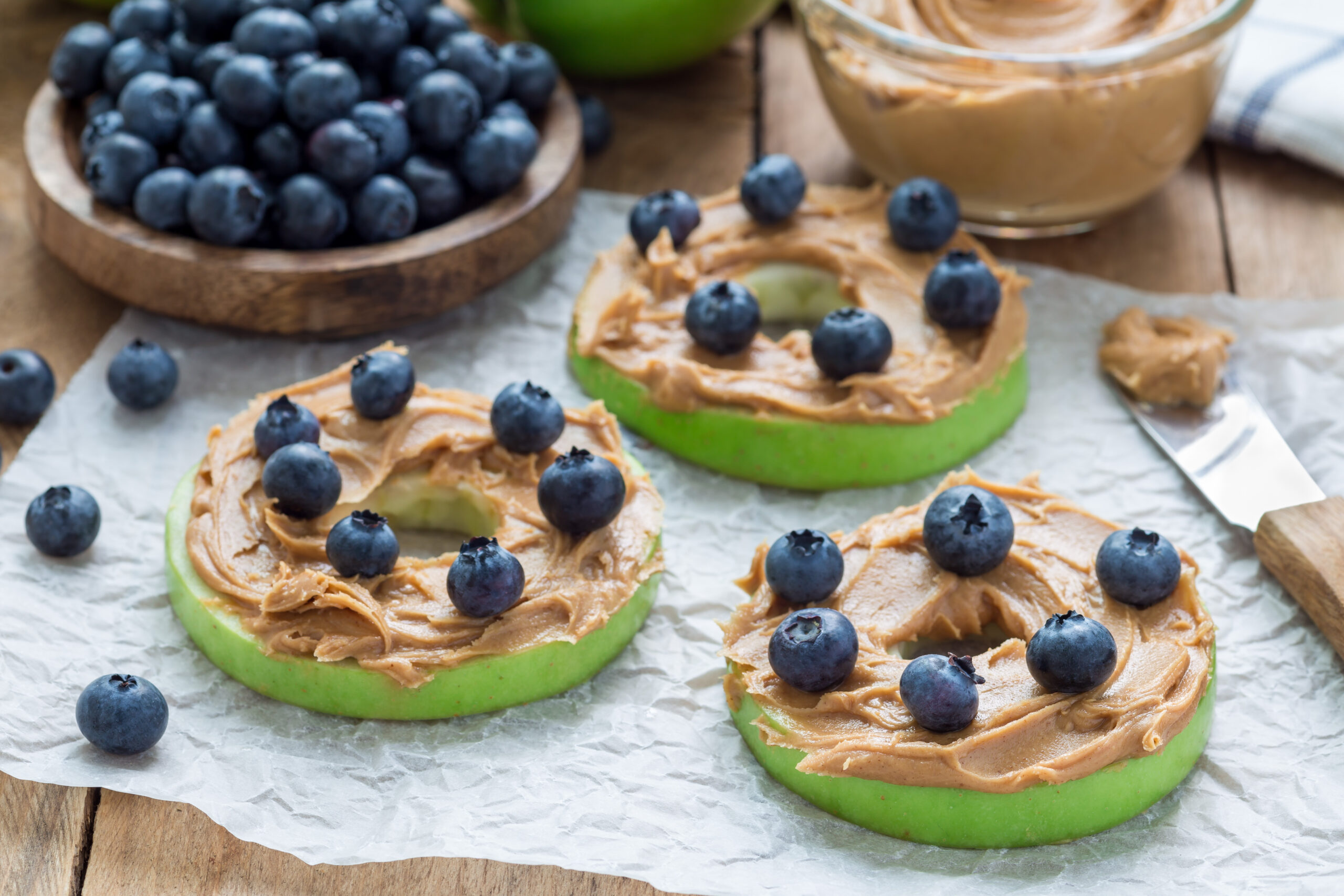
How to Build a Healthy Snack for Your Child
“I’m hungry!” If you’re a parent, you probably hear this a dozen times a day. You see the pantry doors swing open and wonder: are they just bored, or do…
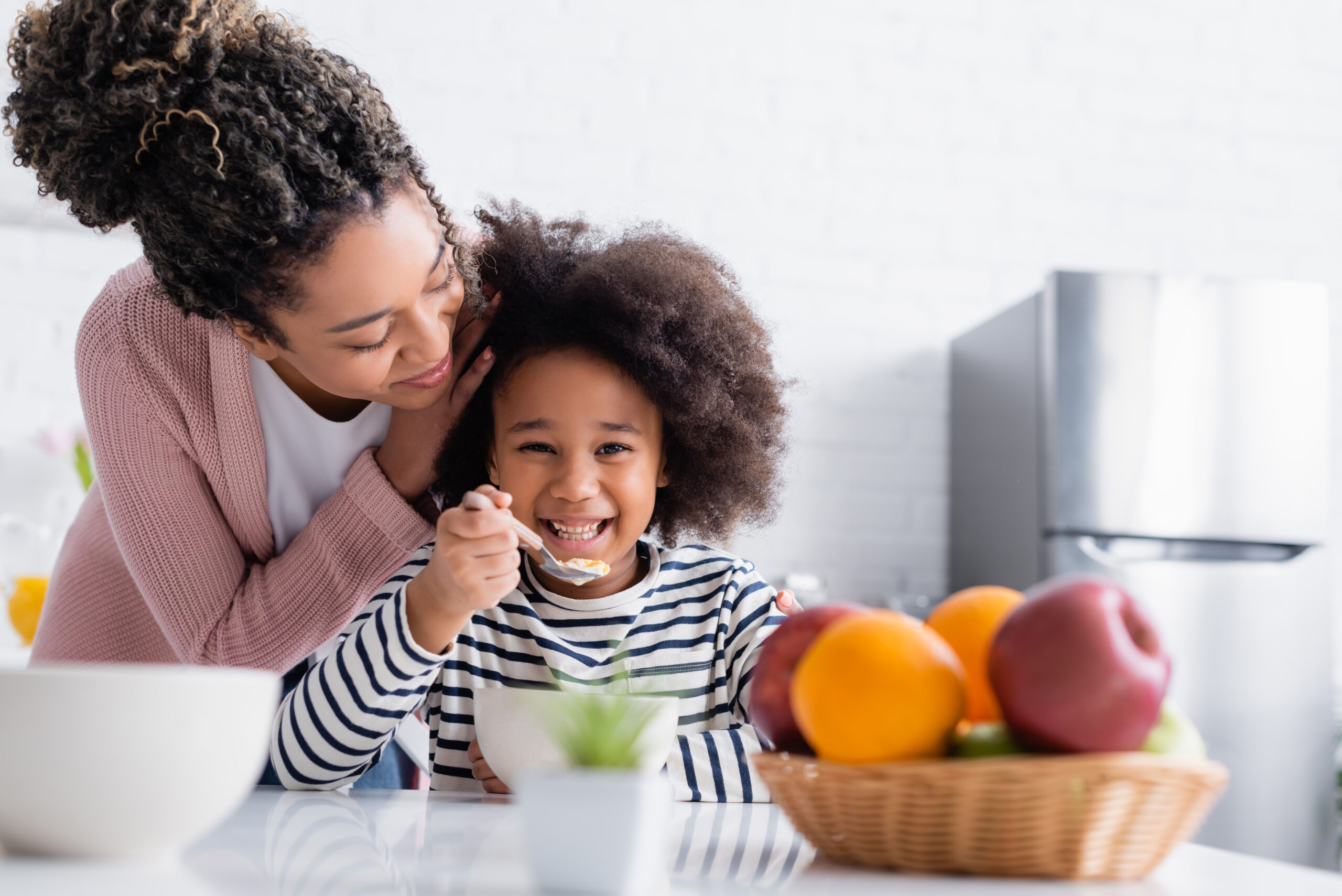
Starting the day with a nutritious breakfast sets children up for success in school and throughout their daily activities. Research consistently shows that children who eat breakfast before school demonstrate improved memory, concentration, and academic performance compared to those who skip this important meal. However, busy mornings often make it challenging for parents to provide well-balanced breakfasts that meet their children’s nutritional needs.
Transform ordinary cereal into a nutritionally complete breakfast by choosing whole grain options and adding protein-rich toppings. Combine 1 cup of whole grain cereal with 1 cup of milk, then top with sliced banana and a tablespoon of chopped almonds or ground flaxseed.[7][8]
Nutritional components: Protein from milk and nuts, whole grains from cereal, fruit from banana, fiber from cereal and flaxseed.
This protein-packed breakfast provides sustained energy for busy school days. Scramble 1-2 eggs with a splash of milk, serve alongside 1 slice of whole wheat toast, and add a side of orange slices or berries.[10][11]
Nutritional components: Protein from eggs, whole grains from toast, fruit from citrus or berries, fiber from whole wheat bread and fruit.
Find the perfect scrambled egg recipe here[11]
Layer ½ cup of Greek yogurt with ¼ cup of granola and ½ cup of mixed berries for a breakfast that feels like dessert but delivers serious nutrition. Add a teaspoon of chia seeds for extra fiber and omega-3 fatty acids.[6][7]
Nutritional components: Protein from Greek yogurt, grains from granola, fruit from berries, fiber from granola, berries, and chia seeds.
These nutrient-dense pancakes combine the comfort of traditional pancakes with added protein and fiber. Made with oats, Greek yogurt, eggs, and banana, they’re naturally sweet and satisfying.[12]
Nutritional components: Protein from Greek yogurt and eggs, whole grains from oats, fruit from banana, fiber from oats and banana.
Get the oatmeal protein pancake recipe[12]
Blend ½ cup Greek yogurt, 1 frozen banana, ½ cup spinach, ¼ cup oats, and ½ cup milk for a thick, creamy base. Top with granola, sliced almonds, and fresh berries.[13][14][6]
Nutritional components: Protein from yogurt and milk, grains from oats and granola, fruits and vegetables from banana, spinach, and berries, fiber from all ingredients.
Explore kid-friendly smoothie recipes[13]
Transform regular French toast into a nutritious breakfast by using whole grain bread and serving with protein-rich toppings. Dip whole wheat bread in a mixture of eggs, milk, and cinnamon, then cook until golden. Serve with a dollop of Greek yogurt and sliced strawberries.[15]
Nutritional components: Protein from eggs, milk, and yogurt, whole grains from bread, fruit from strawberries, fiber from whole wheat bread and fruit.
Try this whole grain French toast recipe[15]
Mash ½ avocado onto a slice of whole grain toast, then top with a sliced hard-boiled egg and a sprinkle of everything bagel seasoning. Add cherry tomatoes on the side for extra vegetables.[16]
Nutritional components: Protein from egg, whole grains from toast, fruit from avocado (technically a fruit), vegetables from tomatoes, fiber from whole grain bread and avocado.
Find kid-friendly avocado toast ideas[16]
Scramble eggs with a splash of milk, add shredded cheese and cooked ground turkey or black beans, then wrap in a whole wheat tortilla. Serve with salsa and a side of sliced oranges.[6]
Nutritional components: Protein from eggs, cheese, and turkey/beans, whole grains from tortilla, fruit from oranges, fiber from whole wheat tortilla and beans.
Top ½ cup of cottage cheese with sliced peaches, a sprinkle of granola, and a drizzle of honey. Add a few chopped walnuts for healthy fats and extra protein.[7][6]
Nutritional components: Protein from cottage cheese and nuts, grains from granola, fruit from peaches, fiber from granola and fruit.
Cut a hole in the center of whole wheat bread using a glass, then crack an egg into the hole and cook in a buttered skillet. Serve with a side of apple slices and a small glass of milk.[11]
Nutritional components: Protein from egg and milk, whole grains from bread, fruit from apple, fiber from whole wheat bread and apple.
Learn how to make Toad in the Hole[11]
Preparation is key to serving nutritious breakfasts on hectic school mornings. Many of these recipes can be partially or completely prepared the night before. Overnight oats, chia pudding, and make-ahead breakfast sandwiches can be prepared in batches and stored in the refrigerator.[17][15]
Involve children in breakfast preparation to increase their willingness to try new foods. Simple tasks like mashing avocado, stirring yogurt parfaits, or arranging fruit on toast can make breakfast more appealing.[16]
Keep it simple on the busiest mornings by having backup options ready. Hard-boiled eggs prepared in advance, individual portions of Greek yogurt, whole grain cereals, and pre-cut fruit can be quickly assembled into balanced meals.[3][6]
Establishing consistent breakfast routines helps children develop healthy eating patterns that can last a lifetime. The American Academy of Pediatrics emphasizes that regular breakfast consumption supports not only physical health but also cognitive development and academic achievement.[2]
Avoid common breakfast pitfalls by limiting foods high in added sugars such as pastries, sugary cereals, and fruit juices. Instead of juice, offer whole fruits with water or milk. When children do choose sweeter options like pancakes, balance them with protein-rich toppings like Greek yogurt or nut butter.[10][2]
Portion considerations matter for different age groups. Toddlers aged 2-3 years need approximately 1,000 calories daily, while children aged 4-8 require 1,200-1,400 calories depending on activity level. Breakfast should provide roughly 25% of these daily calories.[4][5]
These ten breakfast ideas prove that nutritious morning meals don’t have to be time-consuming or complicated. By combining protein, whole grains, fruits or vegetables, and fiber in appealing ways, parents can fuel their children’s bodies and minds for successful days ahead. Remember that creating positive associations with healthy foods during childhood establishes eating patterns that benefit children throughout their lives.[8][1][3][5][2]
References:

I'm so glad you're here!
As a Pediatric and Family Nutrition Expert and mom of 4, I truly understand the ups and downs of feeding children. This is a space where you can get tips and tricks that will help you with any feeding challenges, from picky eaters to eating disorders, and more. Additionally, I'm excited to share recipes that are perfect for families.
I can't wait to share this journey with you. If you need extra assistance, please contact me today and we can explore ways to work together.








Simple, balanced meals with breakfast, lunch, dinner & snacks the whole family will enjoy.