How to Build a Healthy Snack for Your Child
“I’m hungry!” If you’re a parent, you probably hear this a dozen times a day. You see the pantry doors swing open and wonder: are they just bored, or do…



Halloween is a time of costumes, excitement, and of course—treats. But for families managing food allergies, it can also bring added stress and uncertainty. With candy bowls, classroom parties, and festive snacks around every corner, keeping your child safe can feel overwhelming.
The good news? With a little planning, Halloween can still be fun, inclusive, and safe. In this post, we’ll share practical, allergy-friendly strategies from our pediatric dietitians at From the Start Nutrition to help you navigate the holiday with confidence. From safe trick-or-treating to simple yet spooky recipes, you’ll find tips to make this season both joyful and worry-free.
A food allergy occurs when the immune system mistakenly identifies a harmless food protein as a threat and mounts an immune response according to the National Institute of Allergy and Infectious Diseases. This response may release histamines and other chemicals, causing symptoms that range from mild (rash, gastrointestinal upset) to severe (anaphylaxis). Because reactions vary widely in severity and timing, thoughtful planning and vigilance are key as emphasized by Food Allergy Research & Education (FARE).
Under U.S. law, the following nine major allergens must be clearly declared on food labels according to the FDA:
Milk
Eggs
Fish (e.g., cod, flounder, salmon)
Crustacean shellfish (e.g., shrimp, crab, lobster)
Tree nuts (e.g., almonds, walnuts, pecans)
Peanuts
Wheat
Soybeans
Sesame (added as the 9th major allergen effective January 1, 2023 under the FASTER Act) (U.S. Food and Drug Administration)
These nine allergens are responsible for the majority of serious food allergy reactions in the United States according to FARE statistics and FDA guidelines.
Because sesame is now recognized legally as a major allergen, packaged foods (from January 2023 onward) must list it explicitly when present. (U.S. Food and Drug Administration) However, items manufactured before that date may not yet include sesame in their allergen labeling, so extra caution is advised as noted by the American Academy of Allergy, Asthma & Immunology.
Mild to Moderate Symptoms: hives, itching, flushing, nasal congestion, stomach pains, nausea, diarrhea, lip or tongue tingling or swelling
Severe / Anaphylaxis: throat tightness, wheezing or difficulty breathing, swelling of the face or tongue, rapid drop in blood pressure, dizziness, fainting
If you suspect anaphylaxis, administer an epinephrine auto-injector immediately and call emergency services as recommended by the American Academy of Pediatrics. Milder symptoms still merit careful monitoring per your child’s allergy action plan.
Keeping a food-and-symptom diary can help you identify potential triggers, patterns, or delayed reactions over days or weeks according to clinical guidelines.
When crafting daily meals, keep these steps in mind based on registered dietitian recommendations:
Identify safe ingredients: Use allergen-free milk substitutes (e.g., oat, coconut, rice, or seeded milks) and protein alternatives that avoid your child’s triggers.
Plan ahead: Map out a weekly menu to ensure a balance of nutrients without last-minute risk.
Involve your child: Let them help choose safe foods and assist in preparation—this builds awareness and agency.
Prevent cross-contamination: Rigorously clean surfaces, utensils, and cooking implements, and maintain designated “safe zones” in your kitchen as recommended by FARE’s kitchen safety guidelines.
For example, swapping wheat pasta for a certified gluten-free (or alternative grain) variety can keep a favorite dish on the menu. Be sure that sauces and condiments used also lack hidden allergens like soy, sesame, or nut‑derived oils.
Children with restricted diets are at higher risk of nutrient gaps or slower growth according to pediatric nutrition research. To mitigate that:
Diversify food sources: Rotate among fruits, vegetables, legumes (if tolerated), seed-based proteins, lean meats, and whole/grain alternatives.
Emphasize whole foods: Fresh produce, minimally processed items, and safe grains reduce the likelihood of hidden allergens.
Fortified substitutes: Many milk alternatives are fortified with calcium, vitamin D, and B12—helpful when dairy is avoided.
Consider supplements cautiously: Only under guidance from a pediatrician or dietitian, supplements may fill nutrient gaps (e.g., iron, vitamin D, zinc).
Monitor growth and labs: Periodic check‑ups, lab panels, and growth tracking help catch any emerging deficiencies early as recommended by pediatric guidelines.
To support safe nutrition during Halloween week and night, consider these themed meals and snacks with links to allergy-friendly recipes:
Breakfast: Pumpkin spiced oatmeal made with safe milk and seed butter
Lunch: “Monster” sandwiches using allergy-safe bread and safe fillings
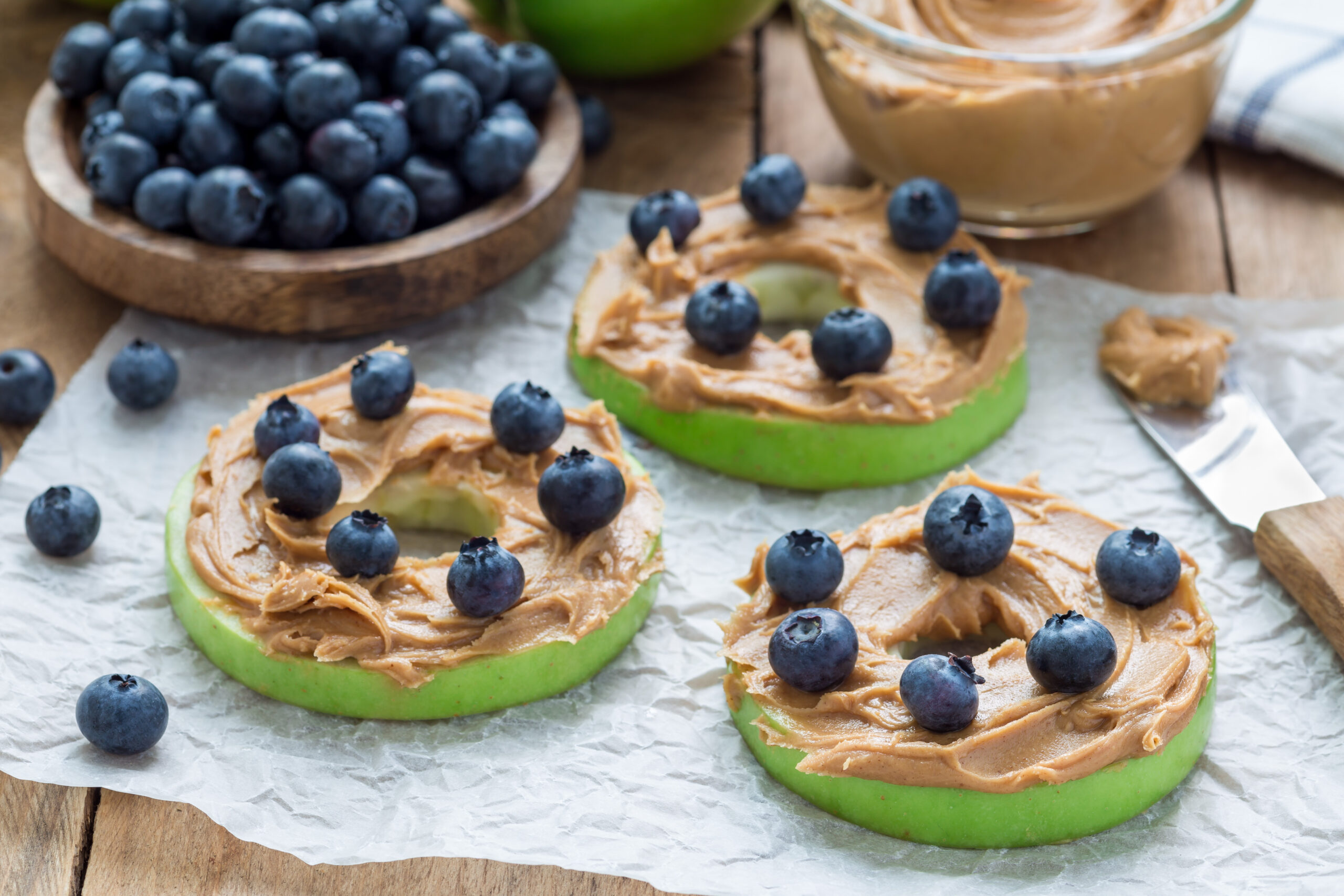
Snack: Apple “mummies” (apple slices, allergen-free seed butter, raisin eyes)
Afternoon Dip & Veggies: Allergy-friendly bean dips flavored with safe herbs (avoiding traditional hummus which contains sesame/tahini)
After Trick-or-Treat: “Dirt cups” made using allergen-free pudding and crushed safe cookies
Dinner: Pumpkin risotto with safe broth and vegetable sides
Before serving, double-check all labels—including those for “natural flavor,” oils, or spice mixes—because sesame or other hidden allergens may lurk there according to FDA labeling guidelines.
Cross-contact is a major hazard in allergy management according to clinical evidence. To reduce risk:
Use designated utensils, cutting boards, pots and pans for allergen-free cooking
Clean hands, surfaces, and appliances thoroughly with hot soapy water before use
Label containers or workspace zones as “safe” to avoid accidental mixing
Store allergen-containing foods in closed, sealed containers and apart from safe foods
Educate family members, caregivers, and helpers about your protocols
Stay especially vigilant about sesame—many foods and sauces may include sesame oil or seeds without you realizing it according to FDA consumer updates.
With multiple foods off limits, advance planning becomes essential to meet macro- and micronutrient needs. Research shows children with food allergies—especially multiple allergies—are at increased risk for growth challenges unless nutrition is monitored according to Academy of Nutrition and Dietetics guidelines.
To support balanced nutrition:
Aim for colorful fruits and vegetables (vitamins, fiber, antioxidants)
Use safe protein sources (meats, legumes if tolerated, allergy-free protein powders or seeds)
Choose whole or gluten-free grains (e.g. brown rice, millet, quinoa)
Add healthy fats (avocado, olive oil, flax, seed oils if safe)
Pick fortified alternatives (non-dairy milks, cereals) to fill micronutrient gaps
Rotate foods: Avoid over-reliance on just a few safe items as recommended by nutrition experts
Lab testing & monitoring: Check levels of iron, vitamin D, B12, zinc, calcium periodically
Track growth metrics: Use height/weight/BMI trends to flag possible nutritional stress
Use nutrient-dense additions: For example, blend vegetables into sauces, sneak in seed-based protein powders (if safe), or enrich foods with safe fats
Supplements or fortified foods can help when dietary sources alone aren’t sufficient—but they should only be used under the guidance of a healthcare professional according to pediatric nutrition standards.
Reasons to consider supplementation:
Multiple food exclusions limit variety
Lab results confirm deficiencies
During growth spurts or recovery phases
Always plan supplementation in the context of your child’s full diet and medical picture.
Working with a pediatric dietitian provides evidence-based support as shown in clinical research:
Personalized meal plans tailored to your child’s allergy profile
Ingredient analysis and label-reading strategies
Support for caregivers and schools to maintain safe environments
Adjustment over time as your child grows, changes, or tolerance evolves
Clinical evidence supports involving dietitians in allergy management to optimize growth and quality of life according to professional guidelines.
A dietitian can:
Evaluate your child’s current diet, growth charts, and lab work
Identify nutrient gaps and suggest safe, creative substitutions
Teach safe cooking practices, label reading, and strategies for cross-contact
Serve as a resource for your child’s school or caregivers, helping them understand safe meal preparation
Seek referrals from your pediatrician or allergist
Look for dietitians with experience in pediatric allergy care
Prepare to bring:
A multi-day food diary
Growth records and lab results
A list of your child’s allergens and reactions
Questions and goals for your child’s nutrition
A well-prepared visit will help the dietitian create a more accurate and effective plan.
Pre‑trik-or-treat checklist: Epinephrine, allergy action plan, safe Halloween snacks, phone, water
Scout your route in daylight to anticipate stops or neighbors
Communicate with neighbors / hosts: Use printable allergy cards or notes
Role-play conversations: Teach your child to ask, “Does this have sesame or nuts?”
Inspect every treat: Read labels carefully on the spot before allowing consumption
Discard or swap unsafe items right away
Keep backup safe options in case the collected treats are too limited
Halloween doesn’t have to be a scary time for families managing food allergies—including the newly recognized sesame allergen. Thoughtful planning, clear communication, and diligence can turn it into a joyful, inclusive celebration.
At From the Start Nutrition, we’re dedicated to partnering with families like yours to provide customized meal plans, allergy-safe recipe packs, and ongoing support. Want help putting this into practice? Reach out to us and let us guide you toward a safe, celebratory Halloween. 🎃
Q: What are safe Halloween treats for kids allergic to peanuts, tree nuts, or sesame?
A: Choose individually wrapped treats labeled “peanut-free / tree-nut-free / sesame-free.” Alternatively, opt for non-food items like glow sticks, stickers, mini toys, or pencils as suggested by the Teal Pumpkin Project.
Q: How can I avoid cross-contamination in the kitchen?
A: Use designated tools, clean surfaces thoroughly, label safe zones, and store allergen-containing foods separately. Be especially cautious with sesame-containing oils or products according to FARE guidelines.
Q: When should I give epinephrine for an allergic reaction?
A: At first signs of throat swelling, difficulty breathing, widespread hives with symptoms, or signs of shock—administer epinephrine immediately and call 911 as directed by emergency protocols.
Q: Why is sesame now included among major allergens, and how common is sesame allergy?
A: The FASTER Act, effective January 1, 2023, added sesame as the ninth major food allergen in U.S. law. Sesame allergy affects an estimated 0.1–0.2% of the population according to allergy prevalence studies.
Q: Can children with multiple food allergies still thrive?
A: Yes—with careful planning, dietitian support, and regular monitoring, children with multiple allergies can grow and thrive according to pediatric research.
Q: How do I talk to neighbors or schools about safe treats?
A: Share a short allergy note or printable card, volunteer to supply safe alternatives, or put a teal pumpkin or sign on your home to indicate non-food treats.
National Institute of Allergy and Infectious Diseases. Food allergy. Updated 2023. Accessed September 25, 2025. https://www.niaid.nih.gov/diseases-conditions/food-allergy
Food Allergy Research & Education. Food allergy 101. Updated 2024. Accessed September 25, 2025. https://www.foodallergy.org/living-food-allergies/food-allergy-essentials/food-allergy-101
Food and Drug Administration. Food Allergen Labeling and Consumer Protection Act of 2004 (FALCPA). Updated 2021. Accessed September 25, 2025. https://www.fda.gov/food/food-allergensgluten-free-guidance-documents-regulatory-information/food-allergen-labeling-and-consumer-protection-act-2004-falcpa
Food and Drug Administration. FASTER Act: Sesame is the ninth major food allergen. Updated 2023. Accessed September 25, 2025. https://www.fda.gov/food/food-allergies/faster-act-sesame-ninth-major-food-allergen
American Academy of Pediatrics. Food allergies in children. Updated 2024. Accessed September 25, 2025. https://www.aap.org/en/patient-care/food-allergies/
Academy of Nutrition and Dietetics. Food allergies: keeping your child safe. Updated 2024. Accessed September 25, 2025. https://www.eatright.org/health/allergies-and-intolerances/food-allergies/food-allergies-keeping-your-child-safe
Christie L, Hine RJ, Parker JG, Burks W. Food allergies in children affect nutrient intake and growth. J Am Diet Assoc. 2002;102(11):1648-1651.
Sharma HP, Bansil S, Uygungil B. Signs and symptoms of food allergy and food-induced anaphylaxis. Pediatr Clin North Am. 2015;62(6):1377-1392.
Meyer R, Groetch M, Venter C. When should infants with cow’s milk protein allergy use an amino acid formula? A practical guide. J Allergy Clin Immunol Pract. 2018;6(2):383-399.
Sicherer SH, Sampson HA. Food allergy: a review and update on epidemiology, pathogenesis, diagnosis, prevention, and management. J Allergy Clin Immunol. 2018;141(1):41-58.

I'm so glad you're here!
As a Pediatric and Family Nutrition Expert and mom of 4, I truly understand the ups and downs of feeding children. This is a space where you can get tips and tricks that will help you with any feeding challenges, from picky eaters to eating disorders, and more. Additionally, I'm excited to share recipes that are perfect for families.
I can't wait to share this journey with you. If you need extra assistance, please contact me today and we can explore ways to work together.










Simple, balanced meals with breakfast, lunch, dinner & snacks the whole family will enjoy.
